Introduction
Freight rarely fails because of price. It fails because of disconnection.
When critical updates, instructions, approvals, and load‑readiness details don’t reach the driver or warehouse in time, a predictable chain reaction begins: schedule changes turn into detention, detention turns into delays, and delays turn into cost.
This blog breaks down that sequence, and why connectivity, not visibility, is the real solution.
1. Schedule Changes: Where Disconnection Begins
Schedule changes happen daily in ports, produce, retail distribution, and manufacturing. But they rarely reach the driver at the speed required.
In today’s disconnected logistics, every message passes through layers of communication from broker, dispatcher, warehouse, carrier and driver; adding delay or distortion. A simple reschedule delivered late becomes the starting point of operational failure.
Without direct connectivity, a schedule change is not an update. It is the beginning of a problem.
2. Detention: When the Truck Arrives Ready but the Facility Isn’t
Detention doesn’t start at the dock. It starts upstream.
Drivers arrive on time, check in, and then wait because the facility isn’t ready. That happens when:
– freight isn’t staged
– dock assignments aren’t set
– paperwork isn’t prepared
– instructions were outdated
– staffing wasn’t aligned
– last‑minute changes never reached the driver
Detention is not a timing issue. It is a coordination issue — created entirely by disconnection.
It is the moment where upstream communication gaps become visible and costly.
3. Carrier Delays: The Downstream Ripple Effect
 Once detention starts, delays cascade quickly.
Carriers end up with:
– missed follow‑up appointments
– late deliveries throughout the day
– hours‑of‑service pressure
– lost reload opportunities
– disrupted schedules
– driver frustration and turnover
Shippers experience:
– inaccurate ETAs
– outbound delays
– inventory flow issues
– dock congestion
Carriers have their own operational challenges; traffic, equipment issues, HOS constraints, and the psychological stress of the road and these schedule changes and detentions stack on top of that, creating cascading effects on their ability to make on-time deliveries.
A schedule update that gets stuck between layers — broker → dispatcher → driver — can disrupt the entire day for everyone involved.
Disconnection at the beginning becomes delay at the end.
Why Visibility Isn’t Enough to Fix Disconnection
Visibility alone cannot fix disconnection. GPS pings, ELD data, and map locations show where the truck is but they do not tell you whether the driver received the latest instructions, whether the load is ready, whether the warehouse is expecting them, or whether a critical schedule change was actually acknowledged. Visibility provides awareness, but it does not create alignment. In disconnected workflows, everyone can “see” the truck, yet no one is moving with the same plan. That false sense of visibility is what leads to missed updates, stalled docks, and cascading delays. Visibility solves tracking. Connectivity solves the disconnection.
Connectivity: The Only Real Fix
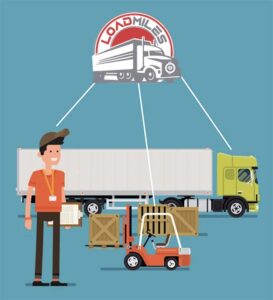 Visibility shows where the truck is. Connectivity aligns everyone responsible for moving it.
Connectivity means:
– shippers, carriers, and drivers share the same information instantly
– updates and schedule changes flow in real time
– load readiness is visible
– paperwork and approvals travel without friction
– instructions reach the driver without layers
Connectivity removes confusion, eliminates detention, and prevents cascading delays.
Disconnection creates cost. Connectivity restores control.
Conclusion
Schedule changes, detention, and delays are not separate issues. They are one connected chain, caused by disconnected communication.
To fix the chain, visibility is not enough. Connectivity is the answer.
LoadMiles delivers real‑time connectivity across shippers, carriers, and drivers so freight moves the way it should.